If you are considering counselling in British Columbia, cost is likely one of your first concerns. Many people wonder whether MSP covers therapy sessions. For private counselling with a registered clinical counsellor or psychologist, the answer is generally no. MSP does cover psychiatrist visits because psychiatrists are medical doctors, and there are also publicly funded or low-cost mental health supports outside private practice. This guide breaks down the difference so you can make an informed decision about accessing mental health support.
The Short Answer
MSP does not cover private counselling from registered clinical counsellors (RCCs) or registered psychologists. MSP does cover psychiatrist visits because psychiatrists are medical doctors. Separately, there are publicly funded pathways to access free or low-cost mental health support in BC, but that is different from MSP paying for private counselling sessions. For most people seeking ongoing talk therapy with a counsellor or psychologist, the cost will come from extended health insurance, employer benefits, public programs, or out-of-pocket payment.
What MSP Does and Does Not Cover
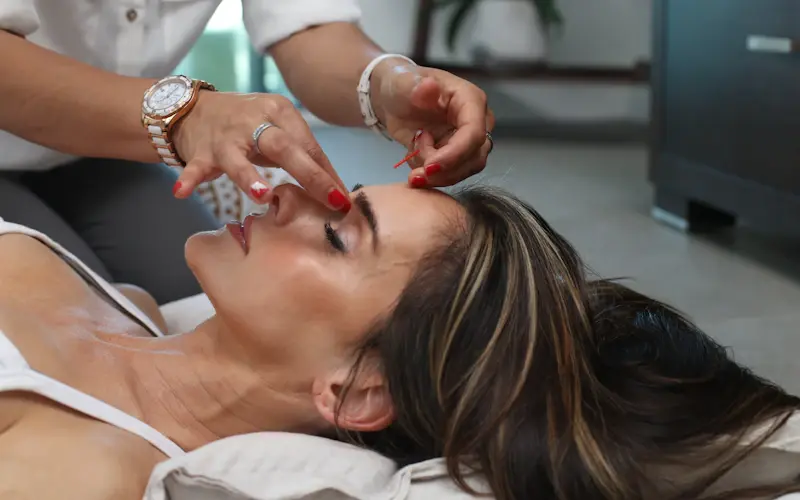
MSP covers visits to psychiatrists because they are physicians. If you are referred to a psychiatrist, those appointments are generally covered. MSP does not cover services of counsellors or psychologists in private practice. This is an important distinction because most people looking for regular talk therapy are booking with an RCC or psychologist rather than a psychiatrist. BC's MSP supplementary benefits list includes services such as acupuncture, chiropractic, massage therapy, naturopathy, physiotherapy, and non-surgical podiatry for eligible people, but not private counselling or psychology.
Free and Low-Cost Counselling Options in BC
Even though MSP does not pay for private counselling with RCCs or psychologists, BC residents still have several options for affordable mental health support. Your local health authority may offer publicly funded mental health services, though wait times can vary. The province also points people to supports such as BounceBack, virtual mental health resources, and crisis or support lines. Some community organizations and non-profits offer sliding-scale counselling based on income, and university or college training clinics may provide lower-cost sessions with supervised graduate students. These options vary by region and availability, so it is worth checking what is accessible in the Burnaby and Vancouver area.
Extended Health Insurance for Counselling
If you have extended health benefits through your employer, union, or a private plan, counselling is often included. Most plans cover sessions with registered clinical counsellors and registered psychologists, typically up to a yearly maximum that ranges from $500 to $2,000 depending on your plan. Some plans also cover social workers and marriage and family therapists. Check your policy details or call your insurance provider to confirm your coverage limits, whether your counsellor's designation is eligible, and whether direct billing is available. At Phoenix Rehab, our front desk can help you understand your coverage and submit claims.
ICBC Coverage for Counselling
If you have been in a motor vehicle accident and are experiencing anxiety, depression, PTSD, or other psychological impacts, ICBC may cover counselling as part of your accident benefits. Clinical counselling is a recognized treatment under ICBC claims for accident-related mental health conditions. You typically need an active ICBC claim and may need a referral from your treating physician or another approved healthcare provider. At Phoenix Rehab, our clinical counsellors work with ICBC patients and we handle the paperwork and direct billing so there is no out-of-pocket cost for approved treatments.
What to Expect from Counselling
In your first counselling session, the counsellor will ask about what brought you in, your current concerns, and your goals for therapy. This is a collaborative conversation, not a test, and you can share as much or as little as you are comfortable with. Sessions are typically 50 to 60 minutes long, and most people attend weekly or biweekly. The number of sessions you need depends on your situation. Some people benefit from 6 to 8 sessions focused on a specific issue, while others find longer-term support helpful. A good counsellor will check in regularly on your progress and adjust the approach as needed.
Counselling at Phoenix Rehab in Burnaby
At Phoenix Rehab, our registered clinical counsellors provide support for anxiety, depression, stress, grief, relationship challenges, trauma, and the emotional impact of injuries and chronic pain. Our counsellors can coordinate with your physiotherapist, chiropractor, or other practitioners when your mental and physical health concerns are connected, which they often are. We offer direct billing for extended health insurance and accept ICBC claims. If you are unsure whether counselling is right for you or how to pay for it, contact us and we can walk you through your options.
Key Takeaway
MSP does not cover private counselling with registered clinical counsellors or psychologists, but it does cover psychiatrist visits. Publicly funded mental health services, community programs, and low-cost supports may still be available even when private counselling is not an MSP benefit. Extended health insurance and ICBC claims are the most common ways people pay for ongoing counselling. If cost is a concern, there are more options available than many people realize. The most important step is reaching out and asking what is available to you.
Related Services at Phoenix Rehab
Ready to Take the Next Step?
Our experienced practitioners are here to help you feel better. Book your appointment today.