
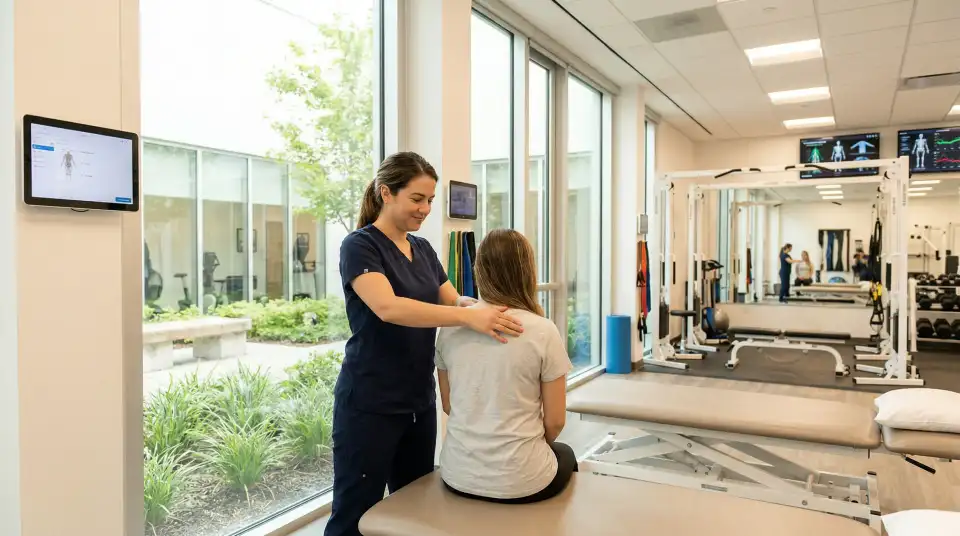
Physiotherapy in Burnaby
Recover from injury, manage chronic pain, and get back to what you love.
Physiotherapy at Phoenix Rehab
Physiotherapy is a healthcare profession focused on restoring movement, reducing pain, and improving physical function. Our physiotherapists use manual therapy, exercise, education, and modern treatment options. When appropriate, care may also include dry needling or IMS from providers whose training supports that modality.
At Phoenix Rehab, we build a treatment plan around your specific needs and goals. Whether you're recovering from an accident, managing chronic pain, or working toward peak performance — physiotherapy supports your path back to health and activity.
Our Burnaby clinic brings together physiotherapists, chiropractors, massage therapists, acupuncturists, kinesiologists, and counsellors — all under one roof. This means your physiotherapy care can be seamlessly coordinated with other services when needed, giving you access to a truly integrated approach to recovery.
A Plan Built Around You
Your goals shape every treatment — not a standard routine
Direct Billing
ICBC, WorkSafeBC, MSP & more where eligible
12 Services
Collaborative care under one roof
What Conditions Does Physiotherapy Treat?
Physiotherapy can address a wide range of health concerns — from acute injuries to chronic conditions.
Neck & Back Pain
Relief from acute strains, chronic stiffness, and postural discomfort to restore pain-free movement. Treatment may include joint mobilization, targeted strengthening, and ergonomic guidance to address the root cause — not just the symptoms.
Sports Injuries
Targeted rehabilitation for sprains, muscle tears, and ligament damage to get you back in the game safely. We develop sport-specific rehab programs that address the demands of your activity and reduce your risk of re-injury.
Motor Vehicle Accidents (ICBC)
Physiotherapy may support recovery from whiplash, soft tissue injuries, and other crash-related concerns. Direct billing may be available for approved ICBC claims.
Workplace Injuries (WSBC)
Structured care programs designed to safely and efficiently return you to your job. We coordinate with your employer and WorkSafeBC to ensure your recovery plan aligns with your work demands.
Post-Surgical Rehab
Guided, step-by-step physical therapy to restore mobility, build strength, and reduce scar tissue after an operation. We follow post-operative protocols from your surgeon while adapting exercises to your pace of recovery.
Arthritis & Joint Pain
Proven management strategies to reduce joint inflammation, improve lubrication, and maintain daily function. Our approach combines gentle exercise, manual therapy, and education to help you stay active despite arthritis.
Vestibular and Concussion Rehab
Vestibular physiotherapy may support dizziness, balance, vertigo-type symptoms, and symptom-paced return-to-activity planning after concussion symptoms.
TMJ & Jaw Dysfunction
Focused treatment to relieve jaw pain, clicking, limited opening, and associated tension headaches. Techniques include manual jaw mobilization, postural correction, and targeted exercises for the muscles of mastication.
Where Does It Hurt?
Choose the guide that most closely matches your concern.
What Techniques Are Used in Physiotherapy?
Our physiotherapists select and combine techniques based on your specific diagnosis and recovery goals.
Clinically Validated
Every technique is clinically validated and outcome-focused
Hands-On Therapy
Manual Therapy & Joint Mobilization
Hands-on, clinical techniques used to improve tissue extensibility, align structures, and restore full joint range of motion.
Soft Tissue Release
Specialized massage and myofascial techniques applied by your physiotherapist to reduce muscle spasms and improve local blood circulation.
Needling & Soft Tissue Adjuncts
Dry Needling
Fine, sterile needles may be used by trained physiotherapists to support muscle tension, pain, and movement goals when your assessment fits.
IMS (Intramuscular Stimulation)
IMS may be considered for persistent muscle or nerve-related pain when your physiotherapist has the matching certification and your presentation supports it.
Kinesiology Taping
Strategic, supportive taping methods to stabilize vulnerable joints, reduce localized swelling, and facilitate proper movement patterns.
Clinical Technology
Shockwave Therapy (ESWT)
ESWT may support selected tendon and chronic soft tissue concerns when your physiotherapy assessment fits.
Ultrasound Therapy
Gentle, high-frequency sound waves applied to injured tissues to increase local blood flow, reduce swelling, and speed up the healing process.
Electrotherapy (TENS/NMES)
Targeted electrical stimulation used for acute pain management, reducing swelling, and promoting muscle re-education.
Active Rehabilitation
Custom Exercise Prescription
Home exercise programs designed for your condition, with digital guidance to build lasting structural strength and prevent re-injury between visits.
Postural & Ergonomic Re-education
Biomechanical assessments to identify and correct the daily movement habits and workstation setups contributing to your pain.
Manual Therapy and Dry Needling in Burnaby and Vancouver
Our physiotherapists offer hands-on manual therapy and dry needling as part of a personalized physiotherapy care plan.
Manual therapy uses guided, hands-on techniques to work with joints and soft tissues. Dry needling uses fine, sterile needles in targeted muscles when it is appropriate for your care.
These approaches may help reduce muscle tension and can support mobility and recovery.
How Does Physiotherapy Work?
A clear, step-by-step approach to ensure effective, patient-centered, and lasting care at every stage of recovery.
Initial Assessment & Treatment Plan
Your first visit includes a thorough evaluation of your health history, symptoms, and physical function. Your physiotherapist identifies the root causes of your condition — not just where it hurts, but why — and designs a treatment plan matched to your condition, with clear goals and an estimated timeline.
One-on-One Therapy Sessions
Each session combines hands-on techniques (manual therapy, soft tissue release) with active exercises matched to your progress. Your physiotherapist continuously monitors your response and adjusts the plan. Treatment modalities like electrotherapy, taping, or cupping may be included based on your needs.
Ongoing Recovery & Prevention
As you approach your recovery goals, your physiotherapist shifts focus to long-term strategies: home exercise maintenance, injury prevention education, and ergonomic or lifestyle adjustments. The goal is to equip you with the tools to stay well on your own — so you don't need ongoing appointments.
Your First Physiotherapy Assessment at Phoenix Rehab Burnaby
Here is what happens during your first visit.
History and Goals
We discuss your symptoms, health history, daily activities, and goals.
Physical Assessment
Your physiotherapist checks range of motion, strength, joint and nerve tests, and how you move in daily tasks.
Clear Findings
We explain the findings in plain words and agree on your goals.
First Treatment
Where appropriate, treatment begins during the same visit.
Your Next Steps
You leave with a plan, home exercises, visit frequency, and when re-assessment happens.
You do not need a doctor's referral to book physiotherapy in BC. ICBC, WorkSafeBC, and some extended health plans may need a physician's referral to activate coverage.
Book a Physiotherapy AssessmentWhat Should You Expect in a Physiotherapy Session?
Session Details
Initial visits typically last 45–60 minutes. Your physiotherapist will review your health history, discuss your symptoms and goals, perform a physical assessment, and begin hands-on treatment — all in the first session.
Follow-up visits are usually 30–45 minutes, focusing on progressive therapy. Your physiotherapist will reassess your condition, apply treatment techniques, and adjust your exercise program based on how you're responding.
Treatments are always matched to your condition, comfort level, and goals. You'll never receive a one-size-fits-all protocol — every session adapts to where you are in your recovery.
Many patients notice meaningful improvements within the first few sessions, particularly with pain levels and range of motion. Long-term benefits like strength gains and injury prevention build over weeks of consistent care.
You'll leave each session with a clear set of home exercises and self-management strategies. These are an essential part of your recovery — what you do between visits matters as much as what happens during treatment.
Who Can Benefit from Physiotherapy?
Physiotherapy isn't only for athletes or post-surgery patients. People of all ages and activity levels can benefit from working with a registered physiotherapist. Here are some of the groups we work with most often at our Burnaby clinic.
Office Workers & Desk-Based Professionals
Prolonged sitting and repetitive computer use often lead to neck stiffness, lower back pain, and shoulder tension. Physiotherapy can help correct posture, strengthen supporting muscles, and relieve the strain that builds up over long workdays.
Seniors & Aging Adults
Age-related changes like reduced balance, joint stiffness, and decreased muscle mass can affect independence. Physiotherapy supports mobility, fall prevention, and pain management so older adults can stay active and confident in daily life.
Athletes & Active Individuals
Whether you're a weekend runner or a competitive athlete, physiotherapy can help with injury recovery, performance optimization, and prevention strategies. We work with you to build resilience and keep you doing what you love.
Motor Vehicle Accident Survivors
After a car accident, physiotherapy may support recovery from whiplash, soft tissue injuries, and concussion symptoms. ICBC coverage may be available for approved claims.
People Living with Chronic Pain
Chronic pain conditions — including fibromyalgia, persistent low back pain, and arthritis — respond well to physiotherapy. Treatment focuses on improving function, building tolerance, and reducing pain flare-ups through movement-based strategies.
Pre- and Post-Surgery Patients
Physiotherapy before surgery (prehabilitation) can improve outcomes by strengthening the body in advance. After surgery, rehabilitation guides you through safe recovery milestones — restoring range of motion, rebuilding strength, and returning to normal activities.
How Long Does Physiotherapy Take to Work?
Recovery timelines vary based on your condition, severity, and consistency with treatment. Here's a general framework for what to expect.
Weeks 1–2: Assessment & Pain Relief
Your physiotherapist conducts a thorough assessment, identifies the root cause, and begins treatment to reduce pain and inflammation. You'll receive a treatment plan matched to your condition and home exercises. Most patients feel some improvement within the first few visits.
Weeks 3–6: Functional Restoration
As pain decreases, treatment shifts toward rebuilding strength, mobility, and movement patterns. Sessions may include progressive exercises, manual therapy, and functional activities relevant to your daily life or sport.
Weeks 6–12+: Strengthening & Prevention
The final phase focuses on reaching your full recovery goals, preventing re-injury, and building long-term resilience. Your physiotherapist will adjust frequency and transition you to independent management with a maintenance exercise program.
These timeframes are general guidelines. Simple muscle strains may resolve in 2–4 weeks, while post-surgical rehab or complex chronic conditions may require 3–6 months of consistent treatment. Your physiotherapist will provide a more specific estimate during your first visit based on your diagnosis, severity, and personal goals. We track your progress at every session and adjust the plan accordingly — your recovery pace drives the treatment, not a fixed schedule.
Physiotherapy FAQs
Do I Need a Doctor's Referral for Physiotherapy in BC?
No. In British Columbia, you can see a physiotherapist directly without a doctor's referral. This is called "direct access" — you can simply book an appointment and start treatment right away. However, if you're claiming through ICBC, WorkSafeBC, or certain extended health plans, a physician's referral may be required to activate your coverage. Our front desk team can help you determine whether a referral is needed based on your specific insurance plan before your first appointment.
How Often Should I Go to Physiotherapy?
Frequency depends on your condition and treatment phase. During the acute phase, 2–3 visits per week is common. As symptoms improve, many patients transition to 1–2 visits per week, then bi-weekly. Your physiotherapist will recommend a schedule based on your progress and goals, and you can always adjust.
Is Physiotherapy Covered by MSP in BC?
MSP provides limited physiotherapy coverage. MSP-eligible patients (those with a premium assistance qualifying condition and a doctor's referral) can receive up to 10 combined visits per calendar year for physiotherapy and other supplementary services. Most patients use extended health benefits or ICBC/WorkSafeBC coverage, which typically provides broader access.
What's the Difference Between Physiotherapy and Chiropractic?
Both services treat musculoskeletal conditions, but they use different approaches. Physiotherapy focuses on exercise prescription, manual therapy, and progressive rehabilitation to restore function. Chiropractic care centers on spinal adjustments and joint manipulation to improve alignment. At Phoenix Rehab, we offer both under one roof — and your care team can coordinate between services to support a stronger recovery.
Can Physiotherapy Help with Chronic Pain?
Yes. Physiotherapy is one of the most effective non-medication approaches for managing chronic pain. Treatment typically includes graded exercise therapy, pain neuroscience education, manual therapy, and strategies to help you return to activities that matter to you. Rather than chasing short-term relief, physiotherapy builds your body's capacity to manage pain over time.
What Should I Bring to My First Physiotherapy Visit?
Bring your BC Services Card (CareCard), any relevant medical imaging or reports (X-rays, MRI results), a list of current medications, and comfortable clothing that allows your physiotherapist to assess and treat the affected area. If you're claiming through insurance, have your policy number or ICBC/WorkSafeBC claim number ready. We recommend arriving 10–15 minutes early to complete intake paperwork, or ask our team to email you the forms in advance.
Is Physiotherapy Covered by Insurance?
Direct billing may be available for eligible claims and plans.
We can help with eligible ICBC, WorkSafeBC, MSP, and extended health billing steps, depending on your claim, service, and provider setup.
Not sure about your coverage? Call us at 778-379-9888 or book online — our team will verify your benefits before your first visit.
Meet Your Physiotherapy Team
Our registered physiotherapists bring specialized training and personalized care to every session.
Ready to Start Your Recovery?
Book a physiotherapy session at our Burnaby clinic and take the first step toward moving better and feeling stronger.
100B – 3300 Boundary Rd, Burnaby | 778-379-9888
Serving Nearby Neighbourhoods
Phoenix Rehab is on Boundary Road, an easy trip from these Burnaby and East Vancouver neighbourhoods.