
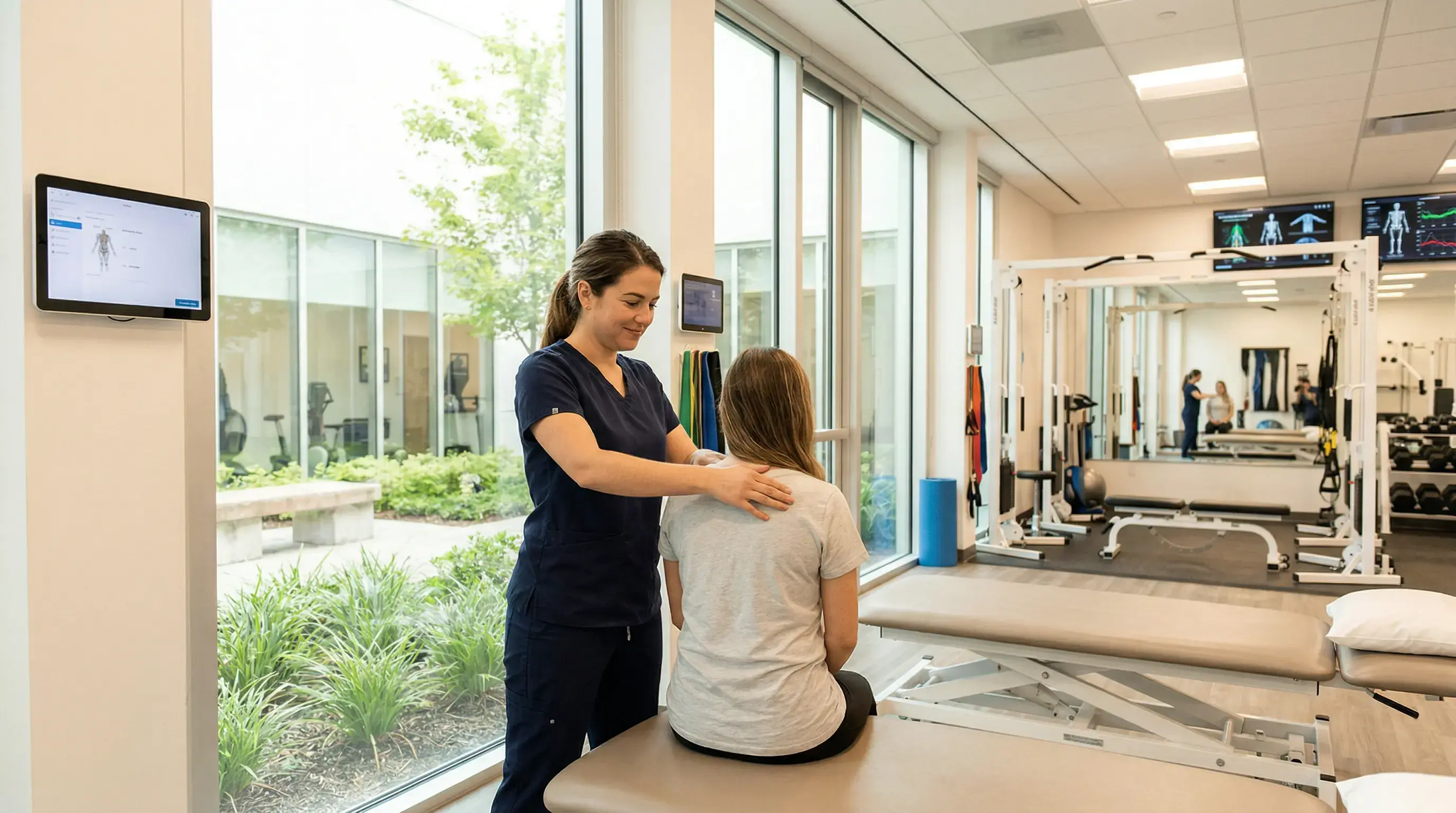
TMJ Treatment in Burnaby
Physiotherapy that may help jaw pain, clicking, limited opening, and related headaches.
Conservative physiotherapy for TMJ and jaw symptoms
TMJ refers to the temporomandibular joint, the joint that helps your jaw open, close, chew, speak, and move side to side. When the joint, surrounding muscles, or movement pattern become sensitive, people may notice jaw pain, clicking, locking, headaches, facial tension, or discomfort with chewing.
Physiotherapy for TMJ concerns looks at more than the jaw alone. Your provider may assess neck movement, posture, breathing or bracing habits, jaw opening, muscle sensitivity, sleep position, desk setup, and the activities that bring symptoms on. That helps the plan match the actual triggers in your day.
At Phoenix Rehab, TMJ care is conservative and practical. It may include manual therapy, gentle jaw and neck exercises, habit coaching, posture guidance, relaxation strategies, and a plan for what to do during flare-ups. If dental or medical input is needed, your physiotherapist can tell you when to involve the right provider.
Jaw and neck together
TMJ symptoms often overlap with neck tension, headaches, posture, clenching, and stress load, so assessment looks at the connected areas.
Movement and control
Treatment may include gentle exercises for jaw opening, coordination, neck mobility, and symptom-guided return to normal chewing.
Clear home guidance
You leave with practical steps for habits, sleep position, desk posture, flare-up pacing, and what to avoid overloading.
TMJ symptoms physiotherapy may support
Jaw symptoms can have several causes. Your physiotherapist will assess whether a conservative physiotherapy plan is appropriate.
Jaw pain or facial tension
Pain may sit around the jaw joint, cheek, temples, or muscles used for chewing and speaking.
Clicking, popping, or catching
Sounds can happen with or without pain. Assessment helps decide whether movement retraining or load changes may help.
Limited mouth opening
Some people notice stiffness, guarding, or difficulty opening wide enough for eating, dental visits, or yawning.
Headaches or temple pressure
Jaw and neck tension may contribute to some headache patterns, especially when symptoms rise with clenching or desk posture.
Neck and shoulder tension
TMJ care often includes neck assessment because the jaw, neck, and upper shoulders can influence each other.
Chewing or speaking discomfort
Symptoms may show up with chewing, talking, singing, mouth guards, gum, or longer dental appointments.
What happens during a TMJ physiotherapy visit
The appointment starts with assessment, then your provider matches treatment and home guidance to your symptoms.
01
Jaw and neck assessment
Your physiotherapist reviews symptoms, habits, dental history when relevant, neck movement, jaw opening, and daily triggers.
02
Manual therapy when appropriate
Hands-on care may be used for the jaw, neck, or surrounding muscles when your comfort and assessment support it.
03
Gentle exercise and control
You may practise jaw coordination, opening control, neck mobility, breathing, or relaxation drills matched to your symptoms.
04
Plan for daily life
Your provider explains what to do with chewing, clenching, posture, sleep, flare-ups, and when to reassess progress.
How physiotherapy may help TMJ symptoms
Care is based on your assessment and usually combines in-clinic treatment with practical home strategies.
Manual therapy
Gentle hands-on techniques may be used for jaw or neck mobility, muscle sensitivity, and movement comfort.
Targeted exercises
Exercises may focus on jaw opening, coordination, neck mobility, strength, breathing, or relaxation.
Habit and posture guidance
Your plan may address clenching, gum chewing, desk posture, sleep position, phone posture, and meal texture during flares.
Neck connection
When neck pain, stiffness, or headaches are involved, the plan may include neck care beside direct jaw treatment.
TMJ care with Reshma Mehta
Reshma Mehta is a Phoenix Rehab physiotherapist who works with TMJ disorders. She provides TMJ treatment within physiotherapy care and connects the plan to movement, comfort, and home guidance.
Meet the physiotherapy teamCoverage questions
TMJ treatment is delivered within physiotherapy appointments. Extended health, ICBC, WorkSafeBC, and other coverage questions depend on your plan, claim details, provider rules, and eligibility.
Our front desk can help you check direct-billing details before your appointment when you bring your policy or claim information. These are physiotherapy visits, and direct billing may be available for ICBC, WorkSafeBC, MSP, and Extended Health.
TMJ treatment FAQ
What does TMJ mean?
TMJ means temporomandibular joint. Many people use the term to describe jaw pain, clicking, limited opening, or muscle tension around the jaw.
Can neck pain be related to TMJ symptoms?
It can be related for some people. The jaw, neck, shoulders, posture, and clenching habits can influence one another, so assessment often includes the neck.
How many TMJ physiotherapy visits will I need?
There is no fixed number. Your physiotherapist will assess your symptoms, start a plan, and reassess based on pain, opening, function, and daily triggers.
What can I do at home for TMJ symptoms?
Your plan may include gentle exercises, habit changes, posture guidance, relaxation drills, meal texture changes during flares, and pacing advice.
Is TMJ physiotherapy covered by insurance?
Coverage depends on your physiotherapy benefits, direct-billing setup, claim pathway, and plan rules. The front desk can help check details before you book or arrive.
Should I see a dentist for jaw pain too?
Dental input can be important when symptoms involve teeth, bite, mouth guards, grinding, or dental conditions. Physiotherapy can work alongside dental care when appropriate.
Plan Related Care
Use these pages to understand how TMJ treatment connects with physiotherapy, neck pain, and related care.
Book a physiotherapy visit for TMJ symptoms
Choose a physiotherapy appointment and mention jaw pain or TMJ symptoms so your provider can assess whether this plan fits.
Serving Nearby Neighbourhoods
Phoenix Rehab is on Boundary Road, an easy trip from these Burnaby and East Vancouver neighbourhoods.