Acupuncture for Insomnia in Burnaby: How Chinese Medicine Approaches Sleep
Trouble falling asleep, waking through the night, or waking unrefreshed are some of the most common concerns patients bring to our acupuncture and Chinese Medicine team. Acupuncture is one of the supportive options some people consider for sleep, alongside good sleep habits and medical care. At Phoenix Rehab in Burnaby, sleep-related care starts with an assessment: your practitioner asks about your sleep pattern, health history, stress, and daily routines before recommending whether acupuncture is a reasonable fit for you.
How Chinese Medicine Looks at Sleep
Traditional Chinese Medicine describes sleep problems in terms of patterns rather than a single diagnosis. Two people with the same complaint, such as waking at 3 a.m., may receive different care plans because the practitioner reads different patterns behind it, considering factors like stress load, digestion, body temperature tendencies, and energy through the day. This pattern-based assessment is why a TCM visit for sleep involves detailed questions that may seem unrelated to sleep itself. It helps the practitioner choose acupuncture points and supportive techniques that match your presentation, not a one-size-fits-all protocol.
What Acupuncture Sessions for Sleep Involve
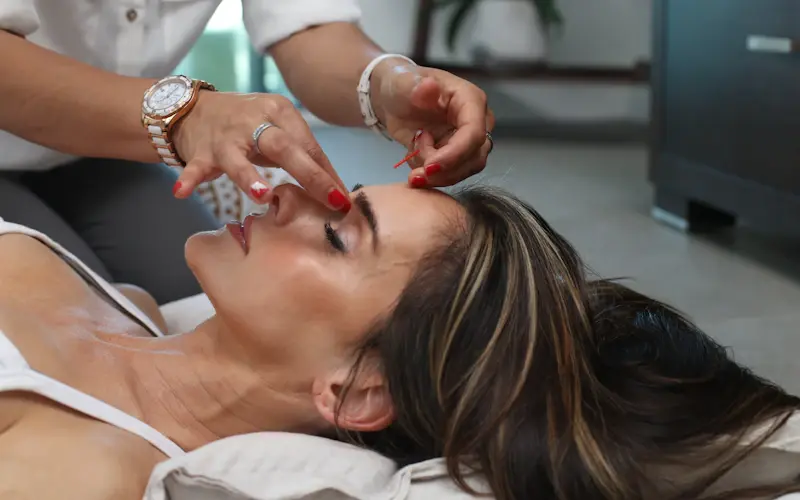
A typical session uses very fine, single-use sterile needles placed at selected points, often on the arms, legs, head, or ears. Most patients describe the sensation as a brief pinch followed by heaviness or warmth, and many find the rest period during a session deeply relaxing. Sessions usually run 30 to 45 minutes. Sleep-related care is generally paced over a course of visits rather than a single appointment, and your practitioner will track how your sleep responds and adjust the plan with you. Responses vary from person to person, and your practitioner should be clear about what a realistic course of care looks like.
When Acupuncture May Fit for Sleep Concerns
Acupuncture may be worth considering when stress, tension, an overactive mind at bedtime, or discomfort such as neck and shoulder pain are part of what keeps you from sleeping. It can be used alongside the sleep-habit changes your doctor or counsellor recommends. It is not a replacement for medical care. Loud snoring with pauses in breathing, daytime sleepiness that affects driving, mood changes, or insomnia that persists for months are reasons to speak with your family doctor, since conditions like sleep apnea need medical assessment. Our practitioners ask about these signs and will encourage a medical visit when the picture calls for one.
Beyond Needles: Herbal Support and Sleep Routines
Chinese Medicine care for sleep often extends beyond the needles. Depending on your assessment, a Registered TCM Herbalist may discuss whether a herbal formula is appropriate for you, taking your medications and health history into account first. Practitioners also commonly review evening routines, caffeine timing, screen habits, and wind-down practices, because these daily patterns shape sleep as much as any treatment does. These suggestions complement, and never replace, guidance from your doctor or pharmacist, and you should always tell both your TCM practitioner and your doctor about any herbs or medications you take.
What to Expect at Your First Visit
Your first visit starts with a conversation: how your sleep behaves through the night, how long it has been a concern, your stress and energy levels, health history, and medications. The practitioner may also check your pulse and tongue, which are standard TCM assessment tools. They will then explain what pattern they see, whether acupuncture is a reasonable option for you, what a course of care could look like, and ask for your consent before any treatment begins. Bring a list of medications and supplements, and wear loose, comfortable clothing.
Sleep Support at Phoenix Rehab in Burnaby
At Phoenix Rehab, sleep-related acupuncture care is provided by our Acupuncturists and TCM team of Registered Acupuncturists and TCM Herbalists, with care available in English and Mandarin. Our approach is conservative and assessment-first: we explain what we see, what acupuncture may offer for your situation, and when another service or a medical visit is the better next step. Acupuncture visits may also be covered by many extended health plans.
Helpful Links
Key Takeaway
Acupuncture and Chinese Medicine may support better sleep for some people, particularly when stress, tension, or discomfort are part of the picture. Care starts with an assessment, is paced over a course of visits, and works alongside, never instead of, medical care. If your sleep concerns persist or come with warning signs like breathing pauses or severe daytime sleepiness, see your family doctor as well.
Related Services at Phoenix Rehab
Ready to Take the Next Step?
Our experienced practitioners are here to help you feel better. Book your appointment today.