
Plantar fasciitis can make the first steps in the morning, long standing shifts, walking, running, or training feel frustrating. Shockwave therapy may be considered when heel pain has become persistent and a broader physiotherapy plan is needed.
What plantar fasciitis usually feels like
Plantar fasciitis often causes pain under the heel or along the arch of the foot. Many people notice it most during first steps after sleep, after sitting, or after a long period of standing or walking. The plantar fascia and nearby tissues can become sensitive when the load going through the foot is higher than the tissue can currently tolerate.
Why heel pain can linger
Heel pain can persist because the foot is loaded all day. Work shifts, training volume, footwear, calf strength, walking surfaces, and how quickly activity increased can all matter. Rest may calm symptoms for a while, but the pain often returns if the tissue is not gradually prepared for the activities you need.
Where shockwave therapy may fit
Extracorporeal shockwave therapy, or ESWT, may be considered for selected plantar fasciitis cases when symptoms have stayed stubborn and assessment supports it. At Phoenix Rehab, ESWT is delivered within a physiotherapy appointment, so it is paired with a plan rather than used alone.
What to expect during a visit
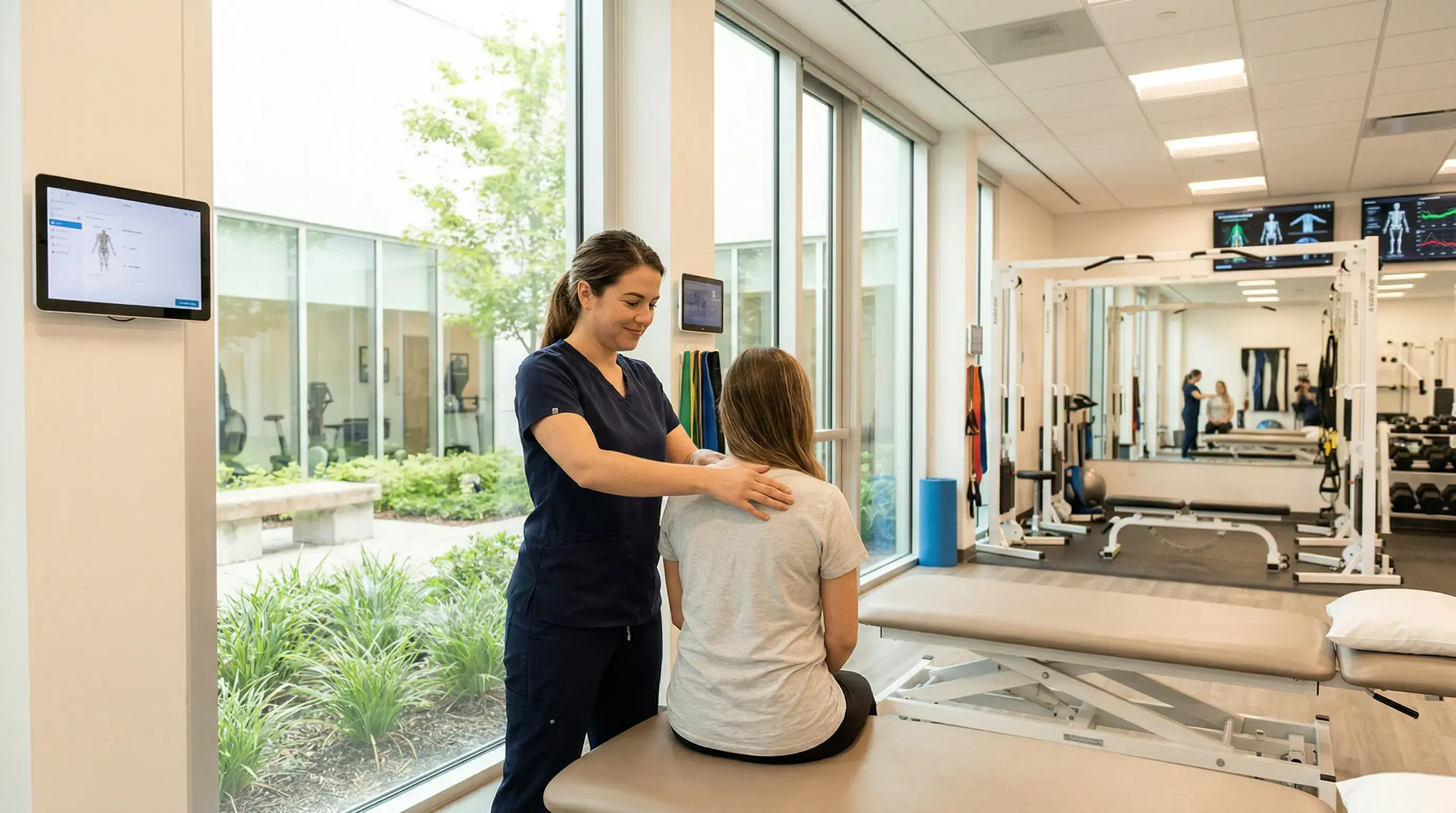
Your physiotherapist will assess your foot, ankle, calf, footwear, activity history, and pain pattern. If shockwave may fit, they explain the feeling, apply it to the target area, and adjust intensity to keep it tolerable. You should also leave with guidance for activity, loading, and exercises.
Why loading still matters
Shockwave therapy does not replace strengthening and load planning. A plantar fasciitis plan may include calf and foot strengthening, walking or running progression, footwear advice, taping, mobility work, or activity pacing. The goal is to help the foot tolerate the work your day requires.
When to book an assessment
Consider booking if heel pain has lasted more than a short flare-up, affects your work or activity, returns whenever you increase walking or training, or has not responded to basic self-care. An assessment can confirm whether shockwave therapy may fit or whether another physiotherapy starting point makes more sense.
Helpful Links
Key takeaway
Shockwave therapy may support selected plantar fasciitis care, but it is most useful as part of a physiotherapy plan that also addresses loading, strength, footwear, activity, and your daily demands.
Related Services at Phoenix Rehab
Ready to Take the Next Step?
Our experienced practitioners are here to help you feel better. Book your appointment today.