
Tennis elbow is not limited to tennis players. It can show up with lifting, typing, tool use, racquet sports, gym work, or repeated gripping. If elbow pain keeps returning, shockwave therapy may be one option inside a physiotherapy plan.
What tennis elbow usually feels like
Tennis elbow, often called lateral elbow tendinopathy, usually causes pain on the outside of the elbow or upper forearm. It may hurt when gripping, lifting a kettle, opening a jar, shaking hands, using a mouse, or returning to sport. Symptoms can build gradually when the tendon is asked to do more than it can currently tolerate.
Why elbow tendon pain can persist
Elbow tendon pain can linger when daily tasks keep reloading the same tissue. Work tools, desk setup, racquet volume, lifting technique, sleep position, shoulder strength, and grip demands can all contribute. A useful plan looks beyond the sore spot and asks what keeps the tendon irritated.
Where shockwave therapy may fit
ESWT may be considered for selected tennis elbow or golfer's elbow presentations when symptoms have remained persistent and assessment supports it. At Phoenix Rehab, shockwave therapy is delivered within a physiotherapy appointment, so the treatment is connected to exercise, activity planning, and reassessment.
What to expect during a visit
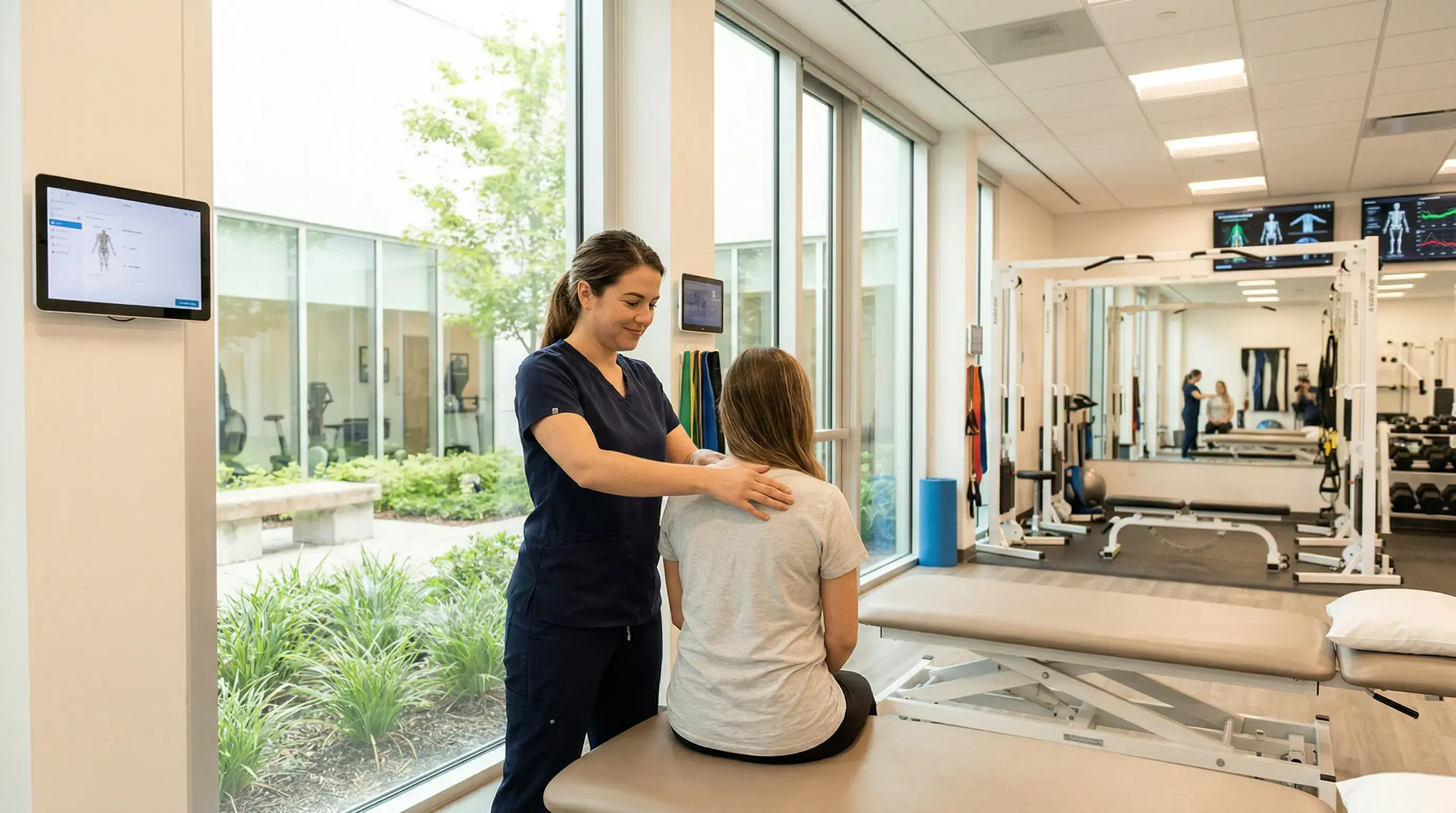
Your physiotherapist will assess grip tolerance, elbow and wrist movement, shoulder contribution, activity load, and what has already been tried. If ESWT fits, they explain the feeling, apply it to the target area, and adjust intensity to keep the session tolerable.
Why grip and load planning still matter
Shockwave therapy does not remove the need to rebuild tendon capacity. Your plan may include grip progressions, wrist and forearm loading, shoulder strengthening, work or sport modifications, and pacing advice. The goal is to restore tolerance without repeatedly provoking the same tissue.
When to book an assessment
Consider booking if elbow pain has lasted more than a brief flare-up, limits work or training, keeps returning with gripping, or has not responded to rest. A physiotherapy assessment can help decide whether ESWT may fit or whether exercise and activity changes should lead first.
Helpful Links
Key takeaway
Shockwave therapy may support selected tennis elbow care, but persistent elbow tendon pain usually needs a plan that also addresses grip tolerance, load, shoulder support, and the activities that keep symptoms active.
Related Services at Phoenix Rehab
Ready to Take the Next Step?
Our experienced practitioners are here to help you feel better. Book your appointment today.